Tradescantia Companion Plants That Will Make Your Garden Pop
Tradescantia Companion Plants That Will Make Your Garden POP
Tradescantia plants are known for their colorful foliage and easy care. They are a popular choice for both indoor and outdoor gardens. But did you know that you can make your Tradescantia garden even more beautiful by planting it with companion plants?
Companion planting is the practice of planting different types of plants together in order to benefit each other. Some companion plants can help to attract beneficial insects, deter pests, or improve the soil quality.
In this blog post, we will discuss some of the best companion plants for Tradescantia. We will also provide some tips on how to plant and care for these plants together.
Benefits of Companion Planting
There are many benefits to companion planting. Some of the most common benefits include:
- Increased pollination: Some companion plants attract beneficial insects, such as pollinators. This can help to increase the pollination of your Tradescantia plants, which will lead to more flowers and fruit.
- Reduced pest pressure: Some companion plants can deter pests from attacking your Tradescantia plants. For example, marigolds are known to repel nematodes, which can damage the roots of Tradescantia plants.
- Improved soil quality: Some companion plants can improve the soil quality, making it more nutrient-rich and well-drained. This can help your Tradescantia plants to thrive.
- Visual appeal: Companion planting can also add visual interest to your garden. By planting different types of plants together, you can create a more attractive and colorful landscape.
Best Companion Plants for Tradescantia
There are many different companion plants that can be grown with Tradescantia. Some of the most popular options include:
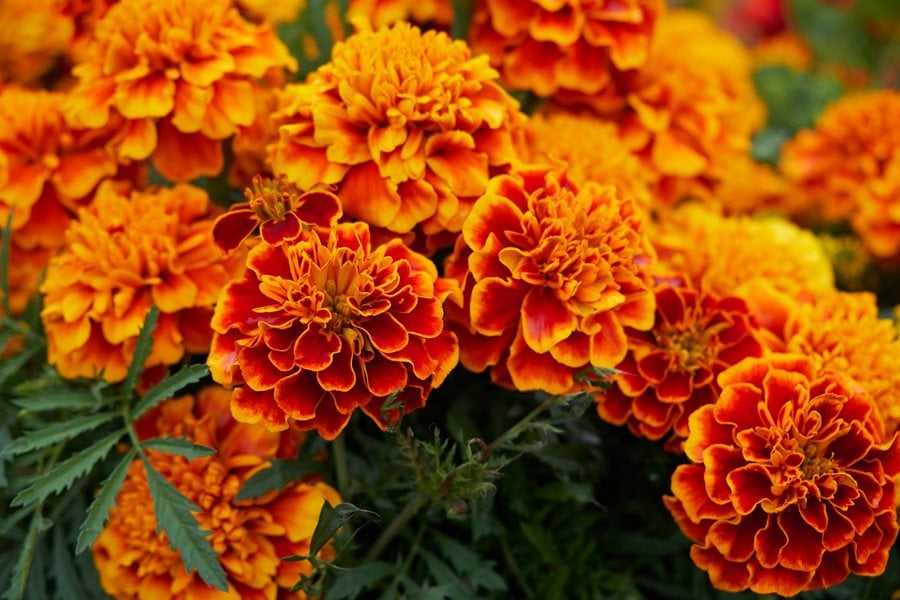
- Marigolds: Marigolds are a great companion plant for Tradescantia because they repel nematodes, which can damage the roots of Tradescantia plants. Marigolds also attract beneficial insects, such as pollinators.
- Coleus: Coleus is another great companion plant for Tradescantia. It has colorful foliage that can complement the colors of Tradescantia plants. Coleus also attracts beneficial insects.

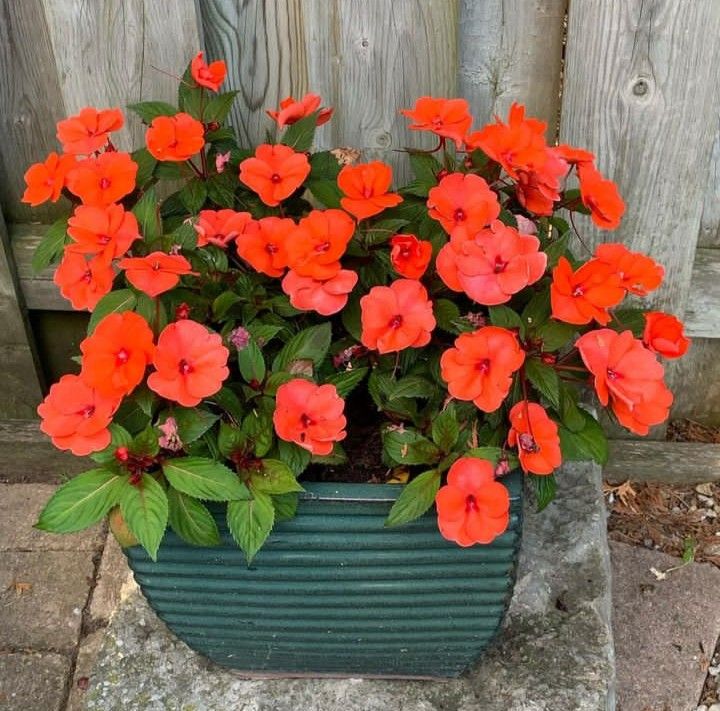
- Impatiens: Impatiens is a shade-tolerant plant that can be grown with Tradescantia in shady areas. It has colorful flowers that can brighten up your garden. Impatiens also attracts beneficial insects.
- Creeping Jenny: Creeping Jenny is a low-growing groundcover plant that can be used to fill in empty spaces in your garden. It has bright green foliage that can contrast with the colorful foliage of Tradescantia plants. Creeping Jenny also helps to suppress weeds.
- Purple Pixie Lettuce: Purple Pixie Lettuce is a cool-season annual that can be grown with Tradescantia in the spring and fall. It has colorful purple foliage that can add a pop of color to your garden. Purple Pixie Lettuce also attracts beneficial insects.
How to Plant and Care for Tradescantia Companion Plants
When planting Tradescantia companion plants, it is important to consider the sunlight and water requirements of each plant. Most Tradescantia plants prefer full sun to partial shade, but some varieties can tolerate full shade. Most Tradescantia plants also prefer moist soil, but they can tolerate some drought conditions.
When planting your companion plants, space them according to their mature size. This will give them enough room to grow and spread. Water your plants regularly, especially during hot, dry weather. Fertilize your plants every few weeks with a balanced fertilizer.
Conclusion
Companion planting is a great way to add visual interest, boost pollination, and deter pests in your Tradescantia garden. By planting the right companion plants together, you can create a thriving and beautiful garden that will bring you joy for years to come.
Tradescantia is a genus of flowering plants that includes many popular varieties, such as the wandering jew, purple heart, and spiderwort. These plants are known for their beautiful foliage and easy care, making them a great choice for both indoor and outdoor gardens.
When choosing companion plants for tradescantia, it is important to consider the plant's light and water requirements. Tradescantia can tolerate a variety of conditions, but it prefers full sun to partial shade and moist, well-drained soil. Some good companion plants for tradescantia include:
- Coleus: This colorful plant has similar light and water requirements to tradescantia, and it can add a splash of color to any garden. Gardenia Inspiration
- Creeping Jenny: This low-growing plant is perfect for filling in spaces and providing ground cover. It is also tolerant of foot traffic, making it a good choice for borders or walkways. Gardenia Inspiration
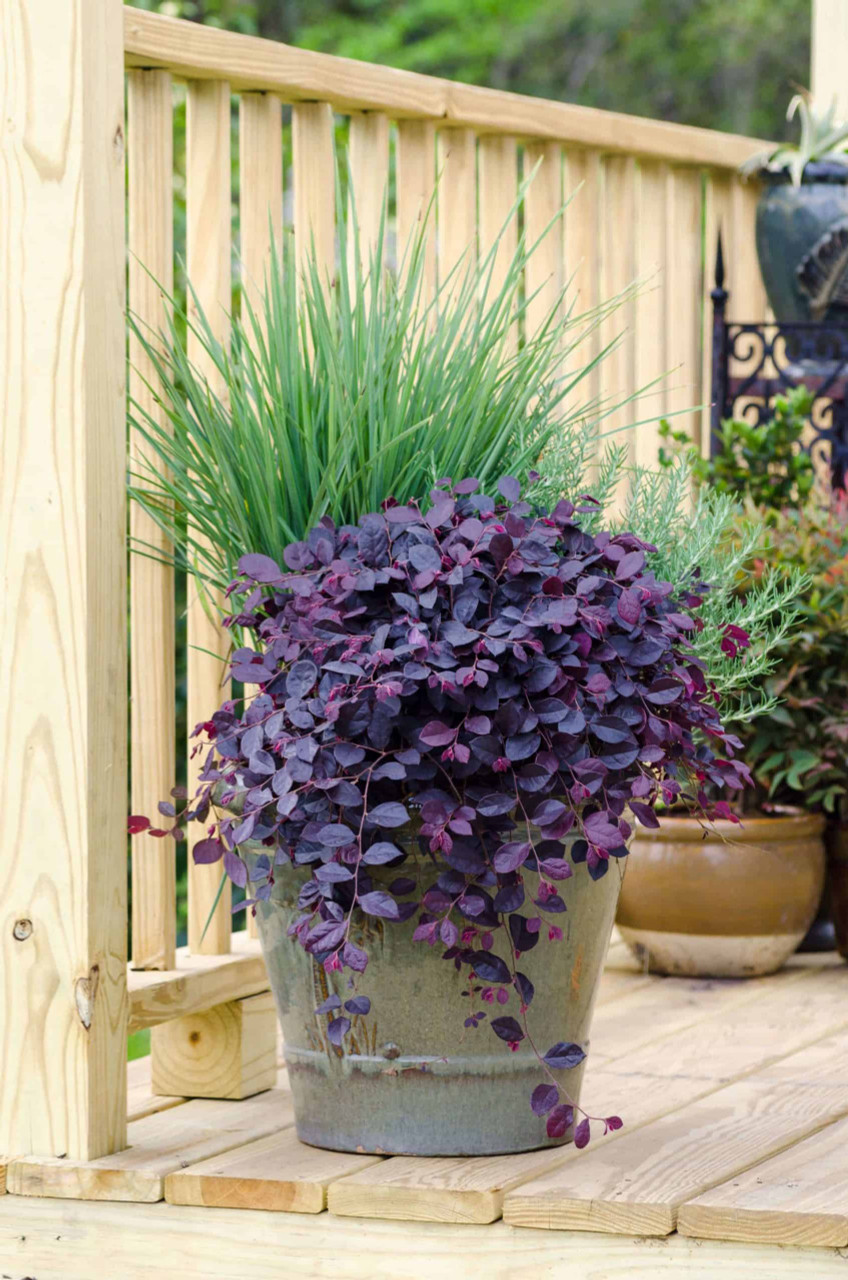
- Purple pixie leropetalum: This delicate plant has purple leaves and white flowers. It is a good choice for shady areas, and it can help to attract butterflies and other pollinators to your garden. Gardenia Inspiration
- Begonia: This versatile plant comes in a variety of colors and sizes. It can be grown indoors or outdoors, and it is a good choice for both sunny and shady spots. Gardenia Inspiration
- Impatiens: This colorful plant is another good choice for shady areas. It is easy to care for and blooms profusely throughout the summer. Gardenia Inspiration
For more information about tradescantia companion plants, please visit Gardenia Inspiration. This website has a comprehensive list of plants that can be grown with tradescantia, as well as tips on how to create a beautiful and harmonious garden.
FAQ of tradescantia companion plants
Q: What are some good companion plants for Tradescantia?
A: Tradescantia are relatively easy-going plants and can be grown with a variety of other plants. Some good companion plants include:
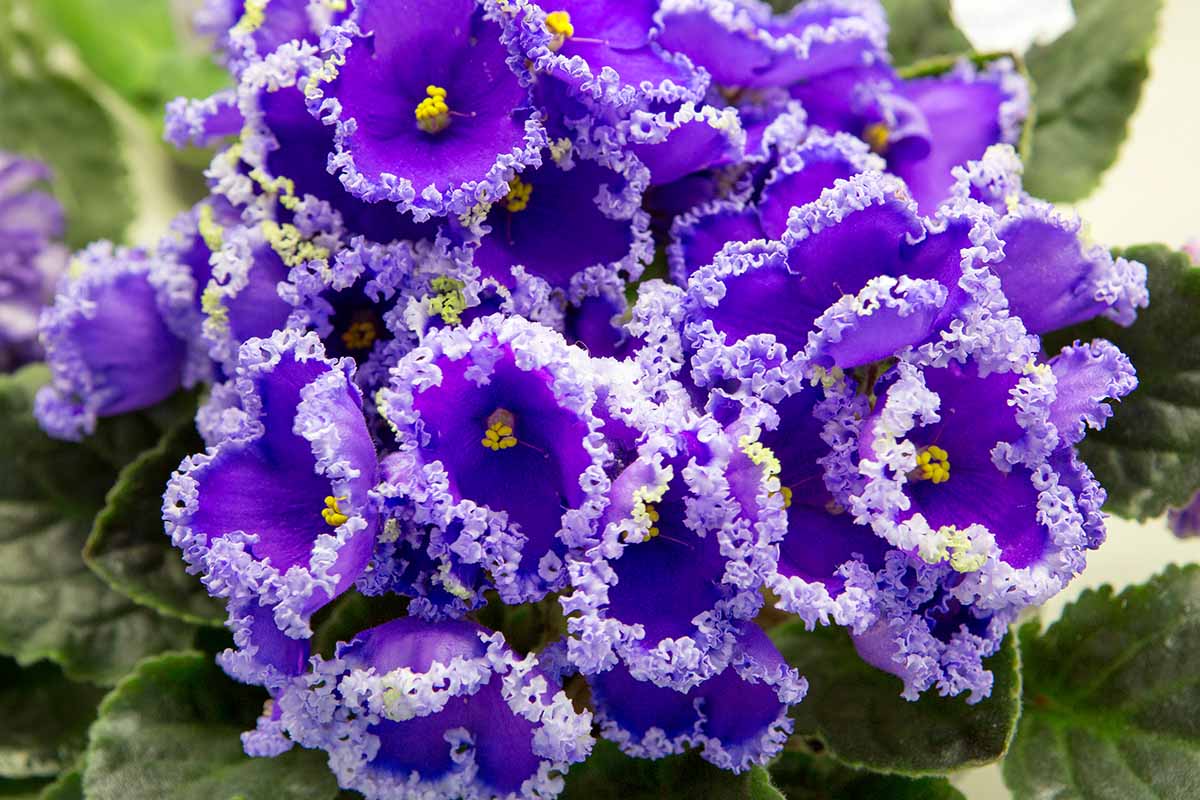
- African violets: These two plants have similar light and water requirements, and they can help to humidify the air around each other.
- Philodendrons: These plants also prefer bright, indirect light and moist soil. They can help to add height and interest to a Tradescantia display.
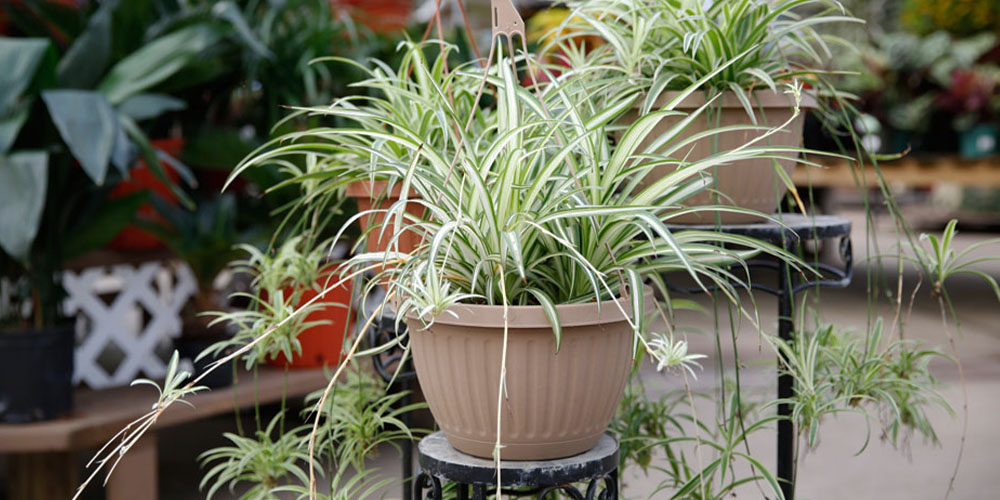
- Spider plants: These plants are both tolerant of low light conditions, making them a good choice for indoor gardens. They can also help to remove toxins from the air.
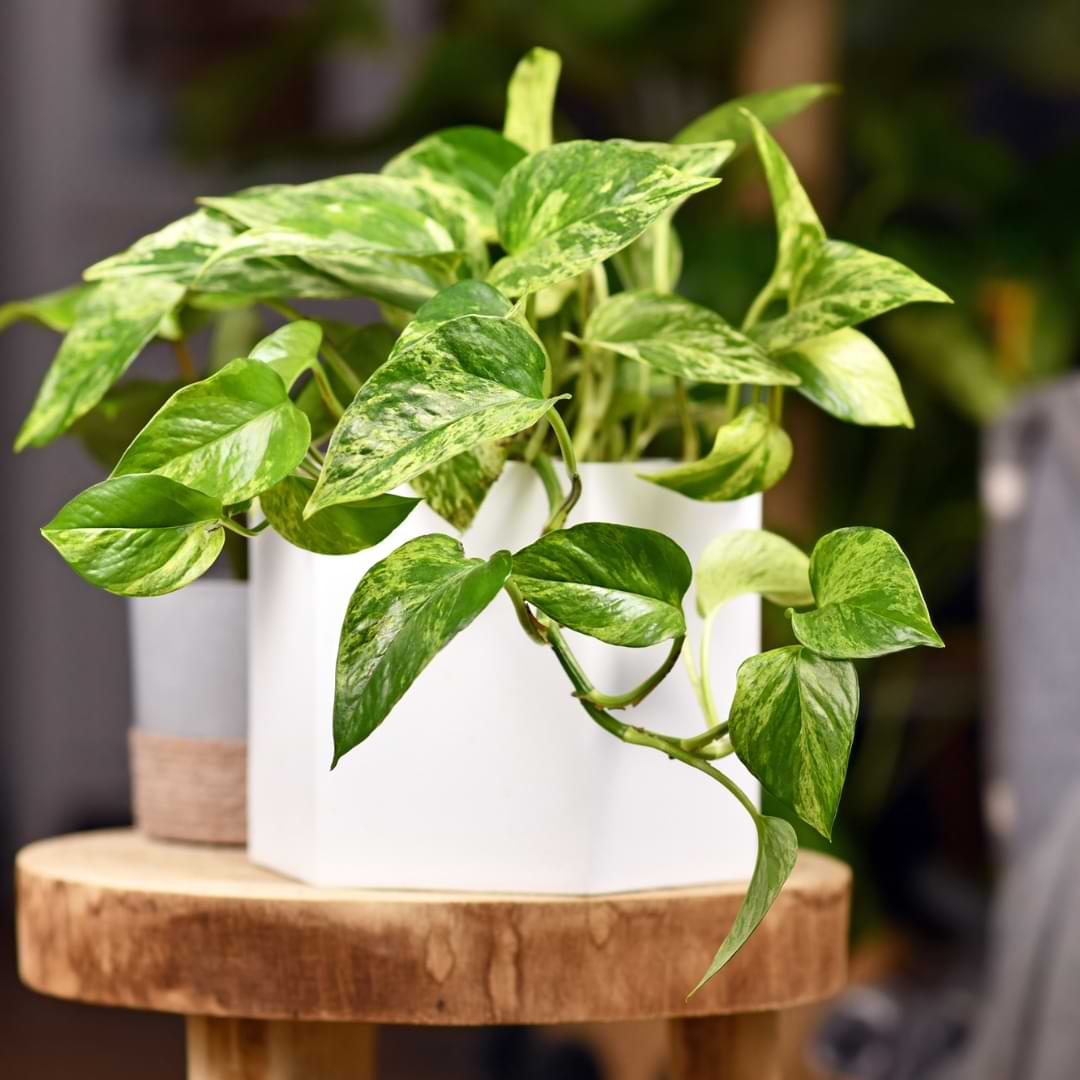
- Pothos: These plants are similar to Tradescantia in terms of their growth habits and care requirements. They can be grown together in a hanging basket or in a mixed planter.
- Peace lilies: These plants prefer moist soil and indirect sunlight, making them a good companion for Tradescantia. They can also help to improve the air quality in your home.

Q: What are the best conditions for Tradescantia?
A: Tradescantia prefer bright, indirect light and moist, well-drained soil. They can tolerate some direct sunlight, but too much sun can scorch their leaves. They are also relatively tolerant of low light conditions, but they will not grow as well in these conditions.
Q: What are some common pests and diseases that affect Tradescantia?
A: The most common pests that affect Tradescantia are mealybugs, spider mites, and aphids. These pests can be controlled with insecticidal soap or neem oil. Tradescantia can also be susceptible to root rot if the soil is too wet. This can be prevented by watering the plant regularly, but not too much.
Q: How often should I water my Tradescantia?
A: Tradescantia should be watered regularly, but not too much. The soil should be kept moist, but not soggy. In the winter, you may need to water your Tradescantia less often.
Q: How do I propagate Tradescantia?
A: Tradescantia can be propagated easily from stem cuttings. Simply cut a 4-6 inch stem from the plant and remove the bottom leaves. Plant the cutting in a pot of moist potting mix and keep the soil moist. The cutting should root in about 2-4 weeks.

Post a Comment for " Tradescantia Companion Plants That Will Make Your Garden Pop"